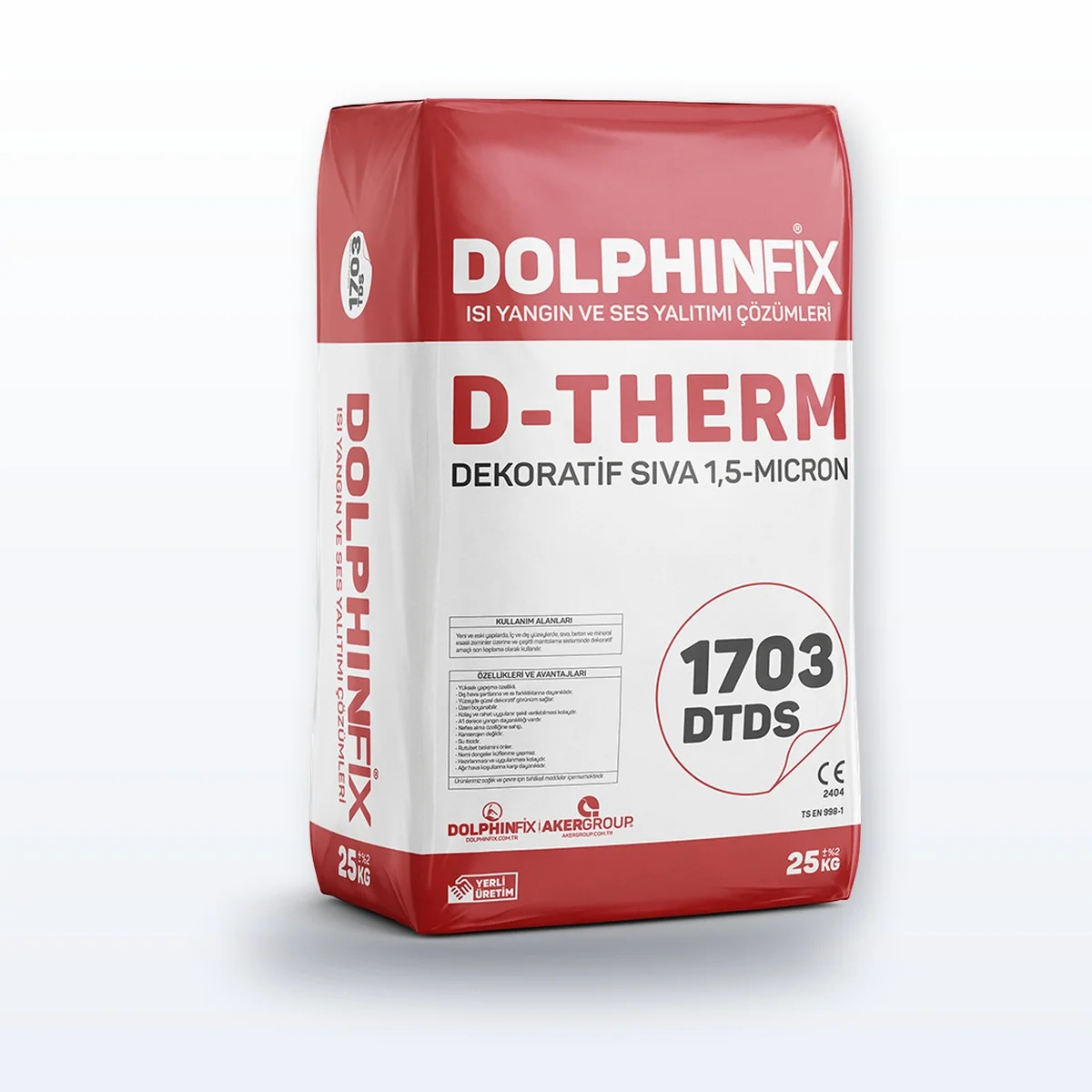
DESCRIPTION: DTDS 1703 is a cement-based, polymer-modified, fiber-reinforced, water-repellent fine-patterned coating material used as an exterior facade top-coat plaster.
PRODUCT INFORMATION ; DESCRIPTION: DTDS 1703 is a cement-based, polymer-modified, fiber-reinforced, water-repellent fine-patterned coating material used as an exterior facade top-coat plaster. AREAS OF USE •As a top coat on interior and exterior surfaces of architectural structures such as residences, shopping malls and hospitals, •In horizontal, vertical and overhead plastering applications, •On all mineral surfaces, •As a top coat on exterior facade coatings, •As a decorative coating on raw concrete and rough plaster, PRODUCT FEATURES •Gives the applied surface a beautiful appearance. •Resistant to outdoor conditions and temperature differences. •Comfort of professional application. •Long-lasting. •Vapor permeable. TECHNICAL SPECIFICATIONS Particle size: Class S3 (TS EN ISO 1524, TS EN ISO 787-7 ) Water vapor transmission rate: Class V1 (TS EN ISO 7783) Water transmission rate: Class W1 (TS EN 1062 – 3) Impact strength: >joule (EN 13497) Dry film thickness: Class E5 (TS EN 1062 – 1) Crack bridging: Class A0 (TS EN 1062 – 7) Carbon dioxide permeability: Class CO ( TS EN 1062-6 ) Reaction to fire: A1 (TS EN 13501 – 1) Standard met: TS 7847 Hazardous substances: See the safety data sheet. Technical Information: Obtained at +20°C (±2ºC) air temperature and 50% ±5 relative humidity conditions. High temperatures shorten durations, low temperatures extend them. Actual values obtained may vary due to conditions beyond our control. APPLICATION INFORMATION Surface Preparation: The application surface must be sound, dry, dust-free, clean, and free of substances that prevent adhesion. The surface must be thoroughly cleaned of all kinds of oil, grease, rust, and paraffin residues that would reduce adhesion, and there must be no loose particles on the surface. If the surface temperature to be applied is above +30 °C, the surface must definitely be dampened. Surface defects must be repaired with the appropriate D-TH repair mortar. Application: Pay attention to using equal amounts of water. Using different amounts of water will cause different tone and pattern appearances. Depending on air temperatures, the prepared mixture must be used within 60 minutes. The prepared mixture is applied to the surface with a steel trowel and a layer of grain size is obtained. To give a pattern, depending on weather conditions, the pattern must be given with a plastic trowel within a maximum of 8-10 minutes. Circular movements should be made to give a pattern. CONSUMPTION AND WATER AMOUNT TABLE 1 m² Powder Consumption 2 – 2.5 Kg MIXING WATER AMOUNT 6 – 6.5 Lt./25 Kg WARNINGS: Must be strictly protected in environments below (+) 5°C and above (+) 35°C. It must be covered with nylon. Precautions must be taken against frost and sudden water loss. PACKAGING: 25 Kg Kraft Bag SHELF LIFE: 12 months from the production date in its original, undamaged and unopened packaging, provided storage conditions are observed.
Your orders are shipped within 1-3 business days. Shipping is free on orders of 500 ₺ and above. You can return the product within 14 days after receiving it.
Log in, you can write a review if you have purchased this product.
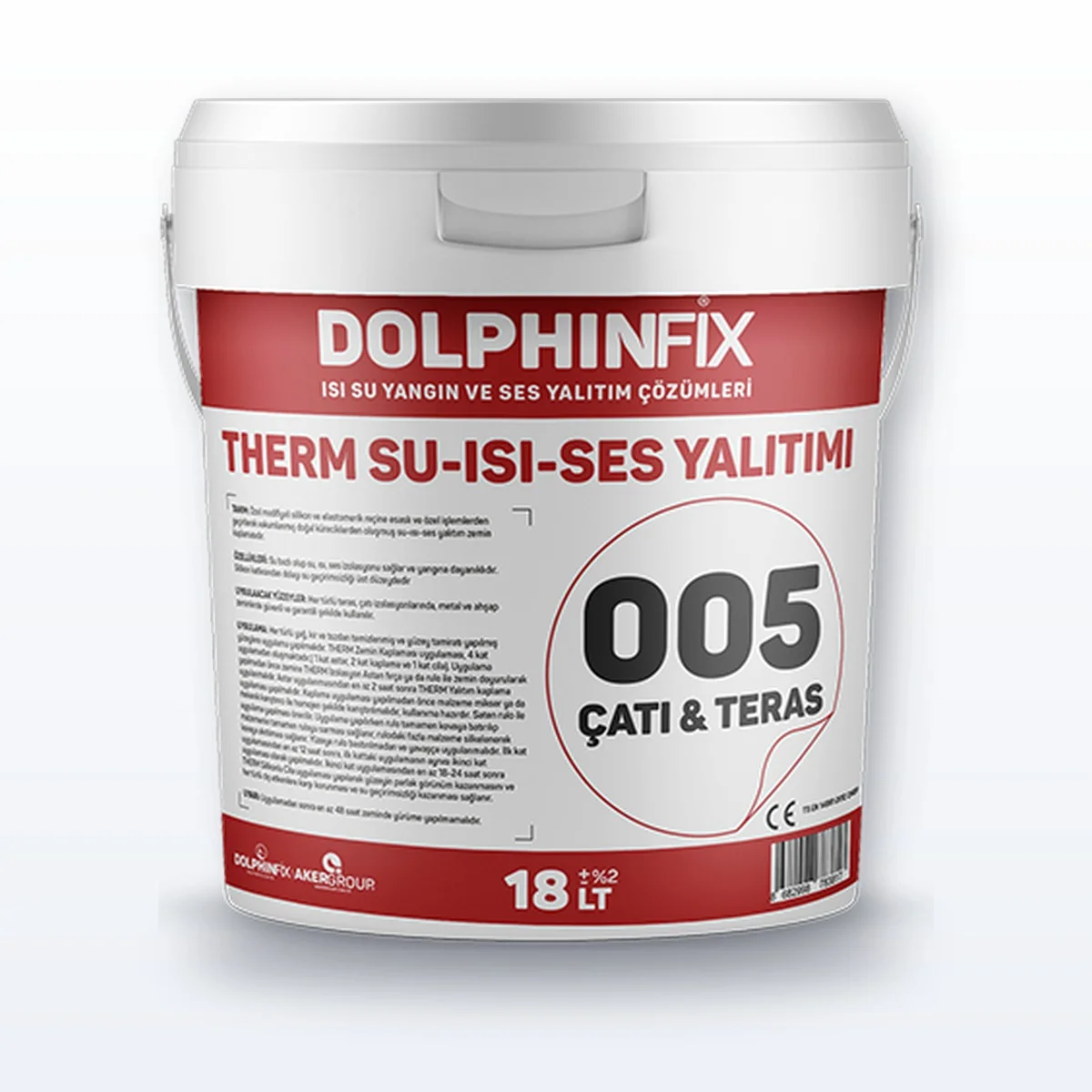
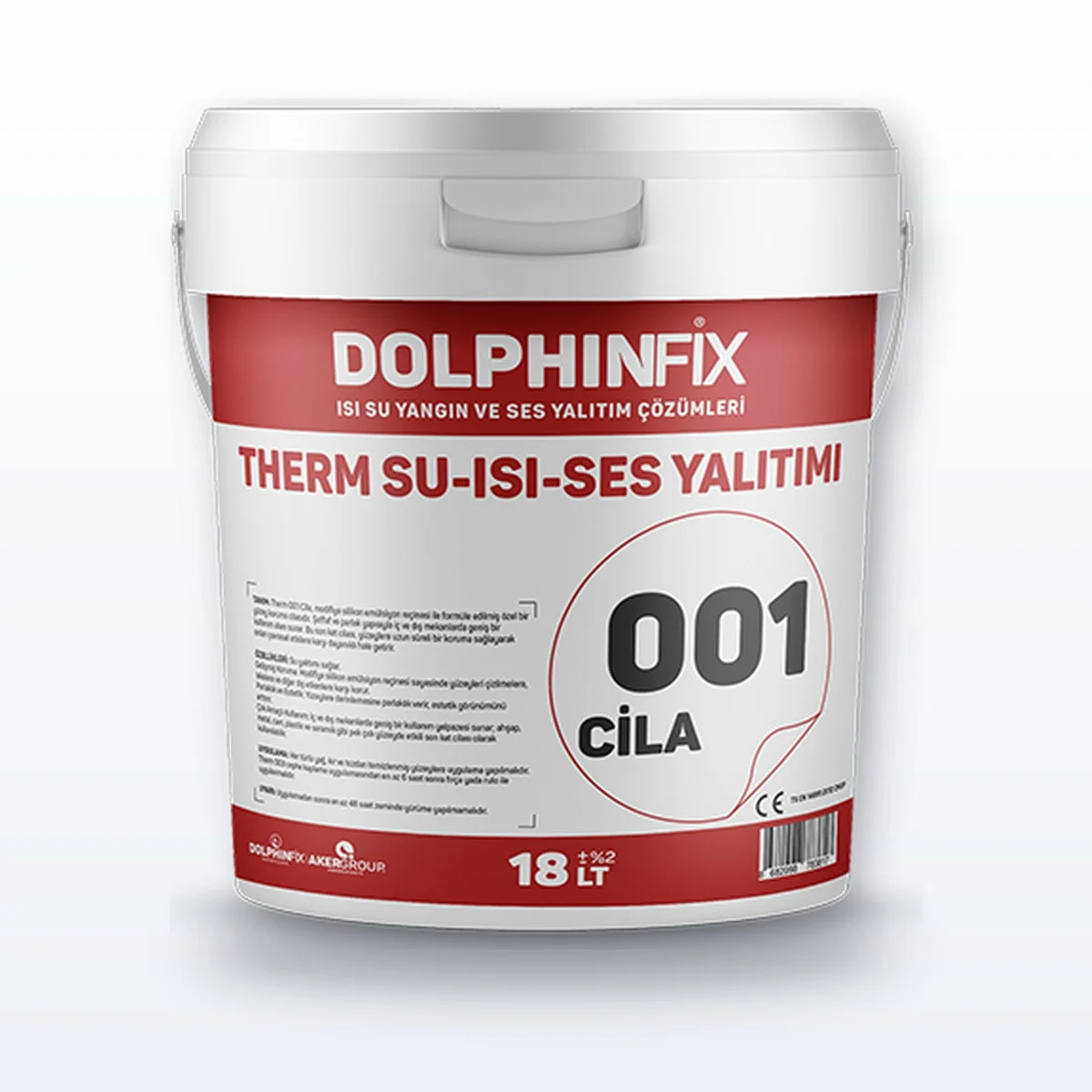
DESCRIPTION: Therm 005 roof & terrace, Elastomeric resin-based, modified through special processes with various products possessing high insulation properties containing trapped air, lightweight volcanic craters, and vacuumed natural spheres turned into bubbles by expanding silicate melted at 2400 °C...
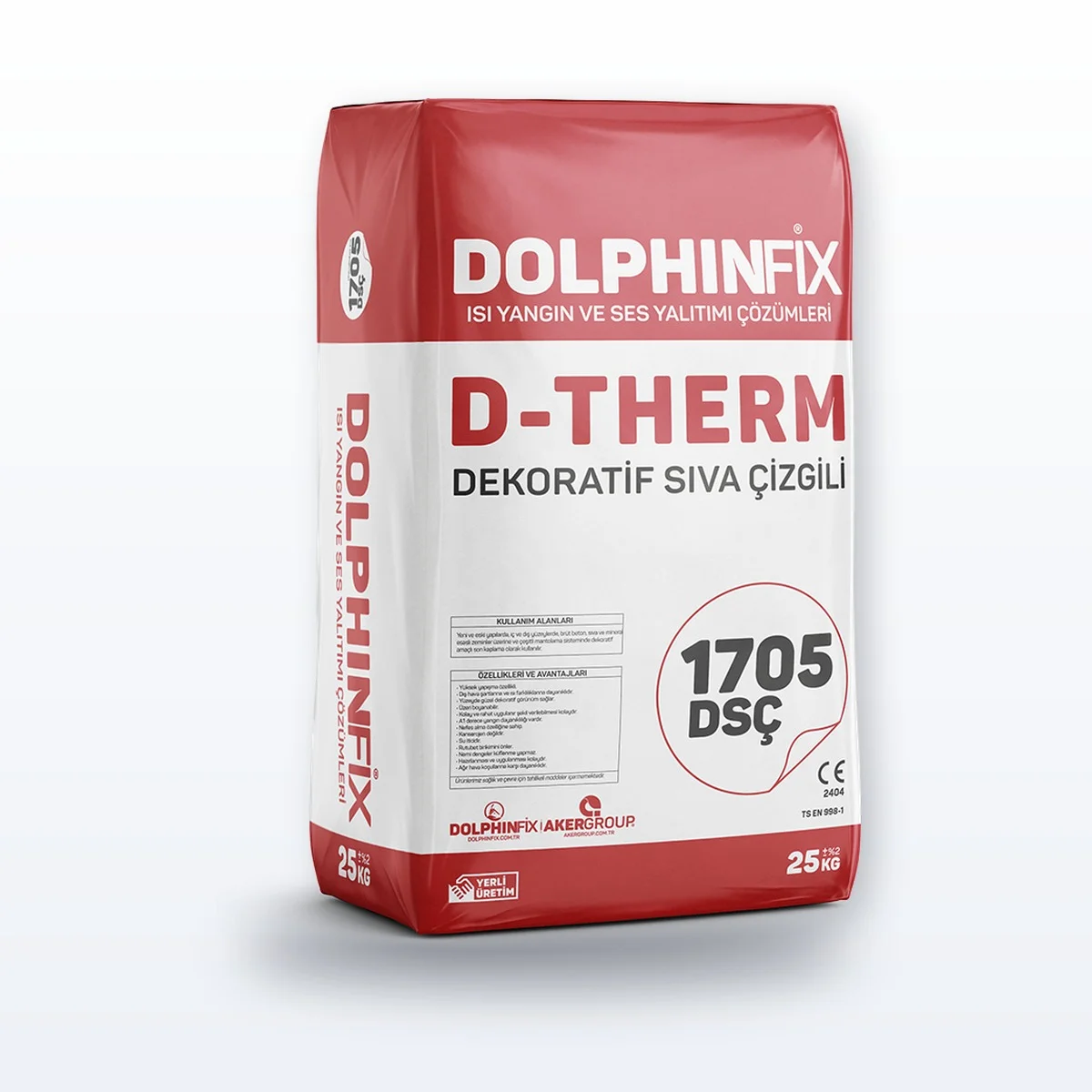
DESCRIPTION: DSÇ 1705 is a cement-based, polymer-modified, fiber-reinforced, water-repellent, line-patterned coating material used as an exterior facade top-coat plaster.
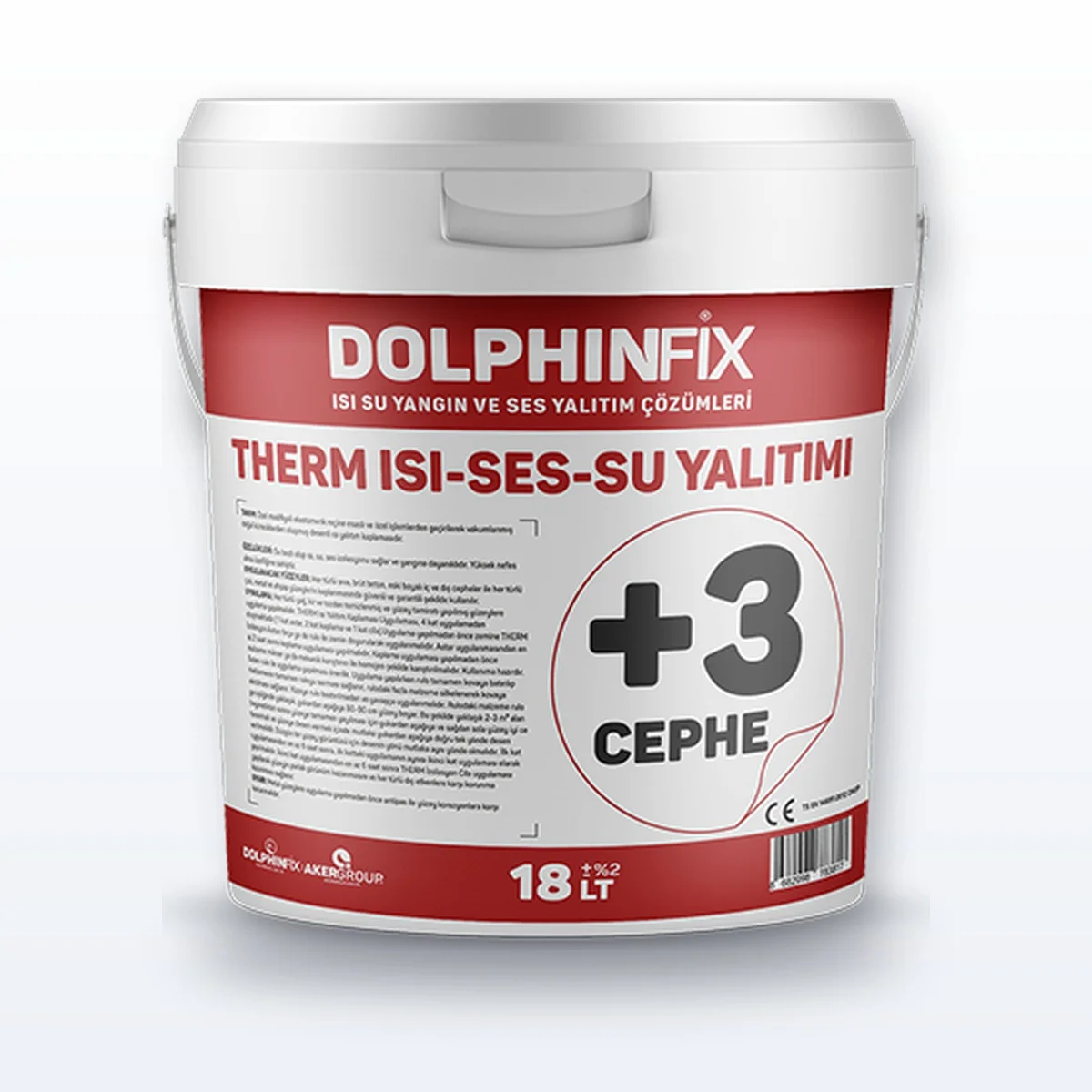
DESCRIPTION: Therm +3 facade coating is based on acrylic copolymer and specially modified elastomeric resin. It is a water-based, ready-to-use, brush-applied thermal and waterproofing material.
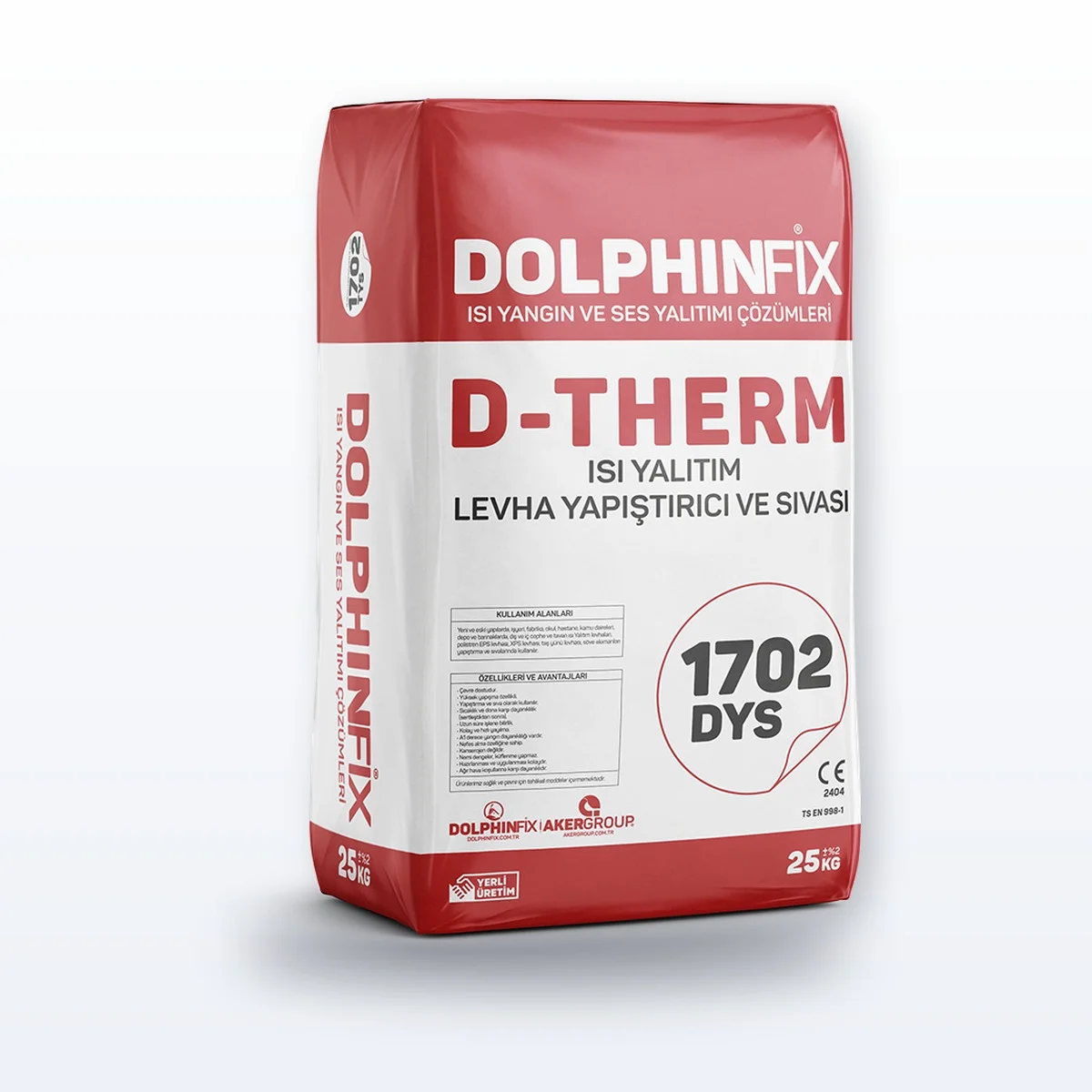
DESCRIPTION: DTY 1702 is a cement-based, polymer-modified, fiber-reinforced adhesive and plaster mortar developed for bonding thermal insulation boards (EPS, XPS, rock wool, heat and sound insulation felt, etc.) to the substrate and plastering over them.